
Uncategorized
Nurses' experiences in earthquakes shape professional practices
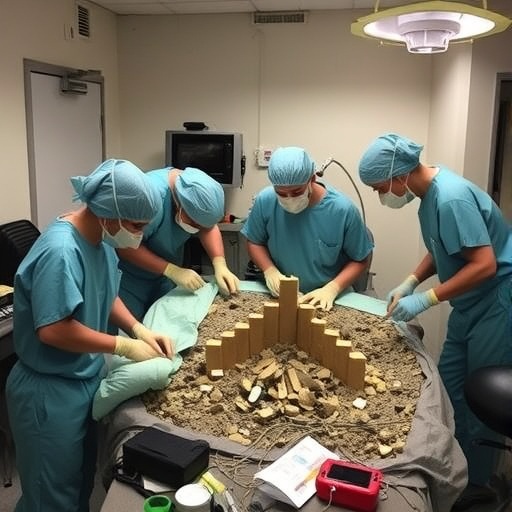
In the world of disaster response, unsung heroes often emerge from the most difficult circumstances. Nurses, as primary caregivers, often face life-altering situations, especially when natural disasters strike. An in-depth exploration of these experiences sheds light on the way nurses adapt, adapt, and reshape their professional identities in the face of adversity. Amid the wreckage and chaos of the aftermath of the earthquake, their stories not only impress but also provoke critical insights into the evolving nature of the nursing profession in disaster zones.
A recent qualitative study by Kilic and Cesin Camli provides a rich narrative that reveals the multifaceted experiences of nurses working in earthquake-affected areas. Through in-depth interviews and observations, the research captures a range of first-hand accounts detailing the psychological, social and occupational ramifications of working under extreme conditions. Nurses in these environments face a unique combination of challenges, from physical exhaustion to emotional turmoil, that invariably shape their professional approaches and ethos.
Central to this study is the recognition of the psychological resilience demonstrated by nurses in post-earthquake scenarios. As frontline responders, they possess the innate ability to adapt quickly, moving between diverse roles from caregiver to counselor, often with scant resources on hand. Interviews reveal that despite difficult circumstances, many nurses also find a renewed sense of purpose and commitment to their profession. This transformative journey highlights their deeper understanding of patient care, which transcends clinical boundaries and enters the realm of emotional and spiritual support.
Furthermore, research illustrates the stark realities of health care delivery in disaster settings, where demand for services often far exceeds available resources. Nurses routinely participate in triage, a process that tests not only their clinical acumen but also their ethical decision-making abilities. Faced with the harsh realities of pain, suffering, and loss, their experiences force them to reevaluate their values and professional priorities. This introspection often leads to a stronger call for improved health policies and disaster preparedness initiatives in their communities.
Another important aspect that emerged in the study was the interaction between teamwork and individual flexibility among nurses. When faced with the chaos of an earthquake, the collaborative efforts of healthcare professionals are vital to providing effective patient care. Nurses recount instances of camaraderie, where mutual support and shared experiences strengthen their ability to cope with overwhelming stress. This solidarity not only enhances their emotional well-being, but also reinforces the importance of interdisciplinary cooperation in crisis situations.
Furthermore, interactions with patients during these traumatic events create a profound impact on nurses' professional identities. The emotional connections formed during care often go beyond the traditional patient-nurse relationship and turn into deep personal connections. These experiences generate a feeling of empathy that persists long after the disaster has passed. Many nurses reported increased awareness of patients' needs and commitment to promoting compassionate care, underscoring the importance of emotional intelligence in nursing.
In the context of continuous learning and adaptation, findings suggest that nurses' experiences in earthquake zones serve as a catalyst for professional growth. The study reveals that many participants are actively seeking additional training and education to better prepare themselves for future crises. This desire for knowledge reflects a broader trend within the nursing community, as practitioners recognize the necessity of continuous improvement in disaster response capabilities.
However, the study does not shy away from addressing potential challenges nurses may face in the wake of such experiences. The psychological toll of witnessing trauma can lead to burnout and compassion fatigue, necessitating the need for support systems within healthcare settings. Interviews with nurses reveal urgent calls for institutional support and mental health resources specifically designed for those serving in disaster areas. Recognizing and addressing these concerns is critical to maintaining the workforce and ensuring nurses remain effective caregivers over the long term.
The role of technology is also emerging as an indispensable tool in disaster response. In the context of the earthquake's aftermath, many nurses are leveraging telehealth services and mobile applications to expand their reach and improve patient care. These innovations not only simplify the communication process but also help triage patients more effectively, thus optimizing the limited resources available in disaster situations. The study underscores the importance of integrating technology into nursing practice, especially in settings where traditional methods may falter.
Importantly, the research highlights the need for policy advocacy as a critical extension of nursing practice. As nurses navigate the complexities of disasters, their unique insights position them as advocates with extensive knowledge of systemic improvements within the health care system. They understand firsthand the myriad challenges that arise in times of crisis, and can articulate the fundamental changes needed to enhance disaster preparedness and response strategies. This role enables nurses to not only influence policy but also participate in broader discussions related to public health and safety.
In conclusion, the qualitative study by Kilic and Çesin Kamli provides a compelling exploration of nurses' experiences in earthquake zones, highlighting the profound ways in which these challenges shape their professional approaches. As frontline warriors, nurses emerge from the shadows of disaster not only as caregivers but as resilient leaders and advocates of change. Their narratives provide valuable insights into the evolving dynamics of crisis nursing, further underscoring the critical importance of supporting healthcare professionals in their quest to provide compassionate and effective care.
In light of the findings of this study, it is clear that the health care community must prioritize nurses' emotional and professional well-being, and invest in resources that enhance their resilience and capacity for compassionate care. Furthermore, fostering collaborative environments and incorporating technological innovations will enhance disaster nursing practices. Ultimately, a collective commitment to supporting these essential caregivers will benefit not only them, but also countless patients and communities who rely on their unwavering dedication and expertise during life's most challenging moments.
Research topic: The experiences of nurses working in the earthquake zone and the impact of these experiences on their professional methods.
Article title: The experiences of nurses working in an earthquake zone and the impact of these experiences on their professional orientations: a qualitative study.
Article references:
Kılıç, A., çeçen Jamlı, D. Experiences of nurses working in an earthquake zone and the impact of these experiences on their professional approaches: a qualitative study. BMC Nurs (2025). https://doi.org/10.1186/s12912-025-04125-2
Image credits: AI created
doi: 10.1186/s12912-025-04125-2
Keywords: nursing, earthquakes, disaster response, professional resilience, health care, qualitative study, trauma, emotional intelligence, advocacy, telehealth.
Tags: adapting nursing practices in crises, challenges nurses face in emergency situations, coping strategies for nurses, earthquake nursing experience, emotional impact of disaster on caregivers, frontline health care workers in earthquakes, disaster nursing narratives, nurses in disaster response, professional development in post-crisis nursing, professional identity in nursing, psychological resilience in health care, qualitative research in nursing
|
Sources 2/ https://bioengineer.org/nurses-earthquake-experiences-shape-professional-practices/ The mention sources can contact us to remove/changing this article |
What Are The Main Benefits Of Comparing Car Insurance Quotes Online
LOS ANGELES, CA / ACCESSWIRE / June 24, 2020, / Compare-autoinsurance.Org has launched a new blog post that presents the main benefits of comparing multiple car insurance quotes. For more info and free online quotes, please visit https://compare-autoinsurance.Org/the-advantages-of-comparing-prices-with-car-insurance-quotes-online/ The modern society has numerous technological advantages. One important advantage is the speed at which information is sent and received. With the help of the internet, the shopping habits of many persons have drastically changed. The car insurance industry hasn't remained untouched by these changes. On the internet, drivers can compare insurance prices and find out which sellers have the best offers. View photos The advantages of comparing online car insurance quotes are the following: Online quotes can be obtained from anywhere and at any time. Unlike physical insurance agencies, websites don't have a specific schedule and they are available at any time. Drivers that have busy working schedules, can compare quotes from anywhere and at any time, even at midnight. Multiple choices. Almost all insurance providers, no matter if they are well-known brands or just local insurers, have an online presence. Online quotes will allow policyholders the chance to discover multiple insurance companies and check their prices. Drivers are no longer required to get quotes from just a few known insurance companies. Also, local and regional insurers can provide lower insurance rates for the same services. Accurate insurance estimates. Online quotes can only be accurate if the customers provide accurate and real info about their car models and driving history. Lying about past driving incidents can make the price estimates to be lower, but when dealing with an insurance company lying to them is useless. Usually, insurance companies will do research about a potential customer before granting him coverage. Online quotes can be sorted easily. Although drivers are recommended to not choose a policy just based on its price, drivers can easily sort quotes by insurance price. Using brokerage websites will allow drivers to get quotes from multiple insurers, thus making the comparison faster and easier. For additional info, money-saving tips, and free car insurance quotes, visit https://compare-autoinsurance.Org/ Compare-autoinsurance.Org is an online provider of life, home, health, and auto insurance quotes. This website is unique because it does not simply stick to one kind of insurance provider, but brings the clients the best deals from many different online insurance carriers. In this way, clients have access to offers from multiple carriers all in one place: this website. On this site, customers have access to quotes for insurance plans from various agencies, such as local or nationwide agencies, brand names insurance companies, etc. "Online quotes can easily help drivers obtain better car insurance deals. All they have to do is to complete an online form with accurate and real info, then compare prices", said Russell Rabichev, Marketing Director of Internet Marketing Company. CONTACT: Company Name: Internet Marketing CompanyPerson for contact Name: Gurgu CPhone Number: (818) 359-3898Email: [email protected]: https://compare-autoinsurance.Org/ SOURCE: Compare-autoinsurance.Org View source version on accesswire.Com:https://www.Accesswire.Com/595055/What-Are-The-Main-Benefits-Of-Comparing-Car-Insurance-Quotes-Online View photos

 |
 |
 |