
Uncategorized
Disaster risk reduction at our fingertips – opinion
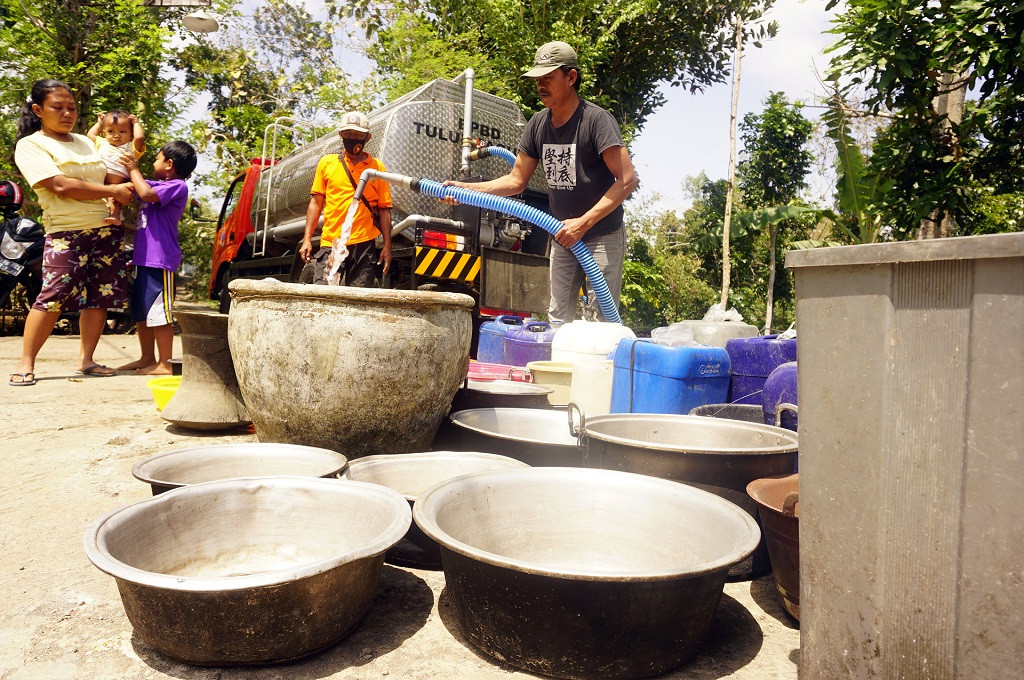
Information saves lives. Knowing how to take action when disaster strikes makes the difference. In 2004, residents of Simolo Island, off the southern coast of Sumatra, felt an earthquake, saw the tide recede, knew from local wisdom that a tsunami was coming and fled to higher ground. Their knowledge saved lives.
Since that tragic disaster, Indonesia has established the National Agency for Disaster Mitigation (BNPB) and its local counterparts for disaster management and established early warning systems nationwide. Communities across the country are becoming more informed about preventive steps with students and villagers conducting disaster drills in schools and villages respectively.
These are examples of disaster risk reduction; Putting safeguards in place for the many risks facing Indonesia to save lives and minimize potential losses. When hazards like earthquakes, tsunamis, storms and disease save lives.
Today, nearly 16 years later, the technology we have at our fingertips is much more advanced. Realizing its potential, this digital resource, is the next stage in protecting people.
Today, as the world celebrates the International Day for Disaster Risk Reduction in the midst of the COVID-19 pandemic, we mention that we need to invest more resources in digital solutions to build preventive ecosystems that can save many lives in the event of future natural disasters and unprecedented health crises.
Recent disasters in Indonesia, such as the Central Sulawesi seismic tsunami or the current COVID-19 pandemic, act as a wake-up call for the country to look beyond traditional measures when it comes to data analysis and region mapping in strengthening disaster prevention systems. And in a country where 8 in 10 people have access to mobile phones, the answer to our future risk assessment may lie in digital technology and mobile applications.
The United Nations Development Program (UNDP), through the Earthquake and Tsunami Infrastructure Reconstruction Assistance (PETRA) project, and in partnership with the German Development Bank, KfW, is working with the BNPB to rebuild critical infrastructure and community facilities, and strengthen the resilience of people. We have also expanded support for the BNPB ‘InaRISK’ mobile app to help support surveillance during the COVID-19 pandemic.
The tool, developed in partnership with BNPB, informs users of the imminent risks of impending natural disasters, and disseminates disaster risk assessments to government and other stakeholders.
Through partnerships to enhance school preparedness for tsunamis in the Asia-Pacific region, the United Nations Development Program in collaboration with BNPB, the Ministry of Education, the Indonesian Institute of Science (LIPI) and UNESCO in partnership with the Government of Japan developed the STEPA School Assessment Application. Earthquake and Tsunami Preparedness. Well-prepared schools will save our children.
STEP-A goes hand in hand with the active participation of the United Nations Development Program in conducting periodic tsunami drills in schools in high-risk areas of Indonesia, also with the support of the Government of Japan. STEP-A is also integrated with BNPB’s “InaRISK” online platform.
There are plans for STEPA to provide schools with a dashboard on tsunami risk in 17 countries, with support from the Regional Disaster Data Management Project (GCDS). Indonesia provides technical assistance to these countries in partnership with Fujitsu.
Data analysis is the need of the hour, and the availability of such rich data can help the government better understand where the needs are greatest to mitigate future risks. At a time when the threat of natural disasters and epidemics looms large, we must invest more in building systems that can help save lives.
If our response mechanisms can be strengthened through digital systems in the form of early warning systems, we can work on a more effective reconstruction. Fewer lives will be lost and the damage can be contained. By investing in digital platforms and creating a centralized data analysis system, we can help mitigate future risks while building resilience.
Investing in digital technology is certainly the way forward and will also help create the building blocks needed to address the pressing concerns building resilience by mitigating risks. Digital technology can help government, policymakers, and humanitarian organizations address deficiencies in risk management and address challenges before disasters strike.
Responding to these situations also opens an opportunity to address gender disparities. Digital solutions provide a platform for us to take a holistic approach as these solutions are developed to ensure both women’s needs and concerns are taken into account in risk mitigation plans.
Of course, digital innovations require improving communications infrastructure and improving Internet access nationwide. Digital use in Indonesia is among the highest in the world, but developing programs to improve digital literacy – along with expanding connectivity – will give more people an opportunity to protect themselves and increase their awareness of risks. We have the technology. Time to make it work.
But we cannot leave anyone behind. We have seen the deep inequalities that COVID-19 has exacerbated, and as we transcend technological developments, such as those related to disaster risk reduction, we also cannot widen the digital divide. We must ensure that those farthest from behind also have access to emerging digital options, particularly those that help mitigate disasters. We know that women and the poorest among us suffer the most in disasters. They must be protected.
We need to promote greater coherence in disaster risk reduction and climate adaptation efforts; Provide access to risk information and early warning systems; Strengthening preparedness and response measures. Digitization is one of the solutions as we seek to mitigate the risks of climate change, economic instability and antibiotic resistance, among others.
Together, these efforts are strengthening the resilience of Indonesia’s urban and rural communities and can help us all move forward better.
***
The writer is the Deputy Resident Representative of the United Nations Development Program in Indonesia
Disclaimer: The opinions expressed in this article are those of the author and do not reflect the official position of The Jakarta Post.
.
What Are The Main Benefits Of Comparing Car Insurance Quotes Online
LOS ANGELES, CA / ACCESSWIRE / June 24, 2020, / Compare-autoinsurance.Org has launched a new blog post that presents the main benefits of comparing multiple car insurance quotes. For more info and free online quotes, please visit https://compare-autoinsurance.Org/the-advantages-of-comparing-prices-with-car-insurance-quotes-online/ The modern society has numerous technological advantages. One important advantage is the speed at which information is sent and received. With the help of the internet, the shopping habits of many persons have drastically changed. The car insurance industry hasn't remained untouched by these changes. On the internet, drivers can compare insurance prices and find out which sellers have the best offers. View photos The advantages of comparing online car insurance quotes are the following: Online quotes can be obtained from anywhere and at any time. Unlike physical insurance agencies, websites don't have a specific schedule and they are available at any time. Drivers that have busy working schedules, can compare quotes from anywhere and at any time, even at midnight. Multiple choices. Almost all insurance providers, no matter if they are well-known brands or just local insurers, have an online presence. Online quotes will allow policyholders the chance to discover multiple insurance companies and check their prices. Drivers are no longer required to get quotes from just a few known insurance companies. Also, local and regional insurers can provide lower insurance rates for the same services. Accurate insurance estimates. Online quotes can only be accurate if the customers provide accurate and real info about their car models and driving history. Lying about past driving incidents can make the price estimates to be lower, but when dealing with an insurance company lying to them is useless. Usually, insurance companies will do research about a potential customer before granting him coverage. Online quotes can be sorted easily. Although drivers are recommended to not choose a policy just based on its price, drivers can easily sort quotes by insurance price. Using brokerage websites will allow drivers to get quotes from multiple insurers, thus making the comparison faster and easier. For additional info, money-saving tips, and free car insurance quotes, visit https://compare-autoinsurance.Org/ Compare-autoinsurance.Org is an online provider of life, home, health, and auto insurance quotes. This website is unique because it does not simply stick to one kind of insurance provider, but brings the clients the best deals from many different online insurance carriers. In this way, clients have access to offers from multiple carriers all in one place: this website. On this site, customers have access to quotes for insurance plans from various agencies, such as local or nationwide agencies, brand names insurance companies, etc. "Online quotes can easily help drivers obtain better car insurance deals. All they have to do is to complete an online form with accurate and real info, then compare prices", said Russell Rabichev, Marketing Director of Internet Marketing Company. CONTACT: Company Name: Internet Marketing CompanyPerson for contact Name: Gurgu CPhone Number: (818) 359-3898Email: [email protected]: https://compare-autoinsurance.Org/ SOURCE: Compare-autoinsurance.Org View source version on accesswire.Com:https://www.Accesswire.Com/595055/What-Are-The-Main-Benefits-Of-Comparing-Car-Insurance-Quotes-Online View photos
Picture Credit!
ExBulletin ExBulletin ExBulletin ExBulletin ExBulletin ExBulletin ExBulletin ExBulletin ExBulletin ExBulletin ExBulletin ExBulletin ExBulletin ExBulletin ExBulletin ExBulletin ExBulletin ExBulletin ExBulletin ExBulletin ExBulletin ExBulletin ExBulletin ExBulletin ExBulletin ExBulletin ExBulletin ExBulletin ExBulletin ExBulletin ExBulletin ExBulletin ExBulletin ExBulletin ExBulletin ExBulletin ExBulletin ExBulletin ExBulletin ExBulletin ExBulletin ExBulletin ExBulletin ExBulletin ExBulletin ExBulletin ExBulletin ExBulletin ExBulletin ExBulletin ExBulletin ExBulletin ExBulletin ExBulletin ExBulletin ExBulletin ExBulletin ExBulletin ExBulletin ExBulletin ExBulletin ExBulletin ExBulletin ExBulletin ExBulletin ExBulletin ExBulletin ExBulletin ExBulletin ExBulletin ExBulletin ExBulletin ExBulletin ExBulletin ExBulletin ExBulletin ExBulletin ExBulletin ExBulletin ExBulletin ExBulletin ExBulletin ExBulletin ExBulletin ExBulletin ExBulletin ExBulletin ExBulletin ExBulletin ExBulletin ExBulletin ExBulletin ExBulletin ExBulletin ExBulletin ExBulletin ExBulletin ExBulletin ExBulletin ExBulletin ExBulletin ExBulletin ExBulletin ExBulletin ExBulletin ExBulletin ExBulletin ExBulletin ExBulletin ExBulletin ExBulletin ExBulletin ExBulletin ExBulletin ExBulletin ExBulletin ExBulletin ExBulletin ExBulletin ExBulletin ExBulletin ExBulletin ExBulletin ExBulletin ExBulletin ExBulletin ExBulletin ExBulletin ExBulletin ExBulletin ExBulletin ExBulletin ExBulletin ExBulletin ExBulletin ExBulletin ExBulletin ExBulletin ExBulletin ExBulletin ExBulletin ExBulletin ExBulletin ExBulletin ExBulletin ExBulletin ExBulletin ExBulletin ExBulletin ExBulletin ExBulletin ExBulletin ExBulletin ExBulletin ExBulletin ExBulletin ExBulletin ExBulletin ExBulletin ExBulletin ExBulletin ExBulletin ExBulletin ExBulletin ExBulletin ExBulletin ExBulletin ExBulletin ExBulletin ExBulletin ExBulletin ExBulletin ExBulletin ExBulletin ExBulletin ExBulletin ExBulletin ExBulletin ExBulletin ExBulletin ExBulletin ExBulletin ExBulletin ExBulletin ExBulletin ExBulletin ExBulletin ExBulletin ExBulletin ExBulletin ExBulletin ExBulletin ExBulletin ExBulletin ExBulletin ExBulletin ExBulletin ExBulletin ExBulletin ExBulletin ExBulletin ExBulletin ExBulletin ExBulletin ExBulletin ExBulletin ExBulletin ExBulletin ExBulletin ExBulletin ExBulletin ExBulletin ExBulletin ExBulletin ExBulletin ExBulletin ExBulletin ExBulletin ExBulletin ExBulletin ExBulletin ExBulletin ExBulletin ExBulletin ExBulletin ExBulletin ExBulletin ExBulletin ExBulletin ExBulletin ExBulletin ExBulletin ExBulletin ExBulletin ExBulletin ExBulletin ExBulletin ExBulletin ExBulletin ExBulletin ExBulletin ExBulletin ExBulletin ExBulletin ExBulletin ExBulletin ExBulletin ExBulletin ExBulletin ExBulletin ExBulletin ExBulletin ExBulletin ExBulletin ExBulletin ExBulletin ExBulletin ExBulletin ExBulletin ExBulletin ExBulletin ExBulletin ExBulletin ExBulletin ExBulletin ExBulletin ExBulletin ExBulletin ExBulletin ExBulletin ExBulletin ExBulletin ExBulletin ExBulletin ExBulletin ExBulletin ExBulletin ExBulletin ExBulletin ExBulletin ExBulletin ExBulletin ExBulletin ExBulletin ExBulletin ExBulletin ExBulletin ExBulletin ExBulletin ExBulletin ExBulletin ExBulletin ExBulletin ExBulletin ExBulletin ExBulletin ExBulletin ExBulletin ExBulletin ExBulletin ExBulletin ExBulletin ExBulletin ExBulletin ExBulletin ExBulletin ExBulletin ExBulletin ExBulletin ExBulletin ExBulletin ExBulletin ExBulletin ExBulletin ExBulletin ExBulletin ExBulletin ExBulletin ExBulletin ExBulletin ExBulletin ExBulletin ExBulletin ExBulletin ExBulletin ExBulletin ExBulletin ExBulletin ExBulletin ExBulletin ExBulletin ExBulletin ExBulletin ExBulletin ExBulletin ExBulletin ExBulletin ExBulletin ExBulletin ExBulletin ExBulletin ExBulletin ExBulletin ExBulletin ExBulletin ExBulletin ExBulletin ExBulletin ExBulletin ExBulletin ExBulletin ExBulletin ExBulletin ExBulletin ExBulletin ExBulletin ExBulletin ExBulletin ExBulletin ExBulletin ExBulletin ExBulletin ExBulletin ExBulletin ExBulletin ExBulletin ExBulletin ExBulletin ExBulletin ExBulletin ExBulletin ExBulletin ExBulletin ExBulletin ExBulletin ExBulletin ExBulletin ExBulletin ExBulletin ExBulletin ExBulletin ExBulletin ExBulletin ExBulletin ExBulletin ExBulletin ExBulletin ExBulletin ExBulletin ExBulletin ExBulletin ExBulletin ExBulletin ExBulletin ExBulletin ExBulletin ExBulletin ExBulletin ExBulletin ExBulletin ExBulletin ExBulletin ExBulletin ExBulletin ExBulletin ExBulletin ExBulletin ExBulletin ExBulletin ExBulletin ExBulletin ExBulletin ExBulletin ExBulletin ExBulletin ExBulletin ExBulletin ExBulletin ExBulletin ExBulletin ExBulletin ExBulletin ExBulletin ExBulletin ExBulletin ExBulletin ExBulletin ExBulletin ExBulletin ExBulletin ExBulletin ExBulletin ExBulletin ExBulletin ExBulletin ExBulletin ExBulletin ExBulletin ExBulletin ExBulletin ExBulletin ExBulletin ExBulletin ExBulletin ExBulletin ExBulletin ExBulletin ExBulletin ExBulletin ExBulletin ExBulletin ExBulletin ExBulletin ExBulletin ExBulletin ExBulletin ExBulletin ExBulletin ExBulletin ExBulletin ExBulletin ExBulletin ExBulletin ExBulletin ExBulletin ExBulletin ExBulletin ExBulletin ExBulletin ExBulletin ExBulletin ExBulletin ExBulletin ExBulletin ExBulletin ExBulletin ExBulletin ExBulletin ExBulletin ExBulletin ExBulletin ExBulletin ExBulletin ExBulletin ExBulletin ExBulletin ExBulletin ExBulletin ExBulletin ExBulletin ExBulletin ExBulletin ExBulletin ExBulletin ExBulletin ExBulletin ExBulletin ExBulletin ExBulletin ExBulletin ExBulletin ExBulletin ExBulletin ExBulletin ExBulletin ExBulletin ExBulletin ExBulletin ExBulletin ExBulletin

 |
 |
 |