
Health
GLP-1 drug can reverse diabetes, Italian study confirms
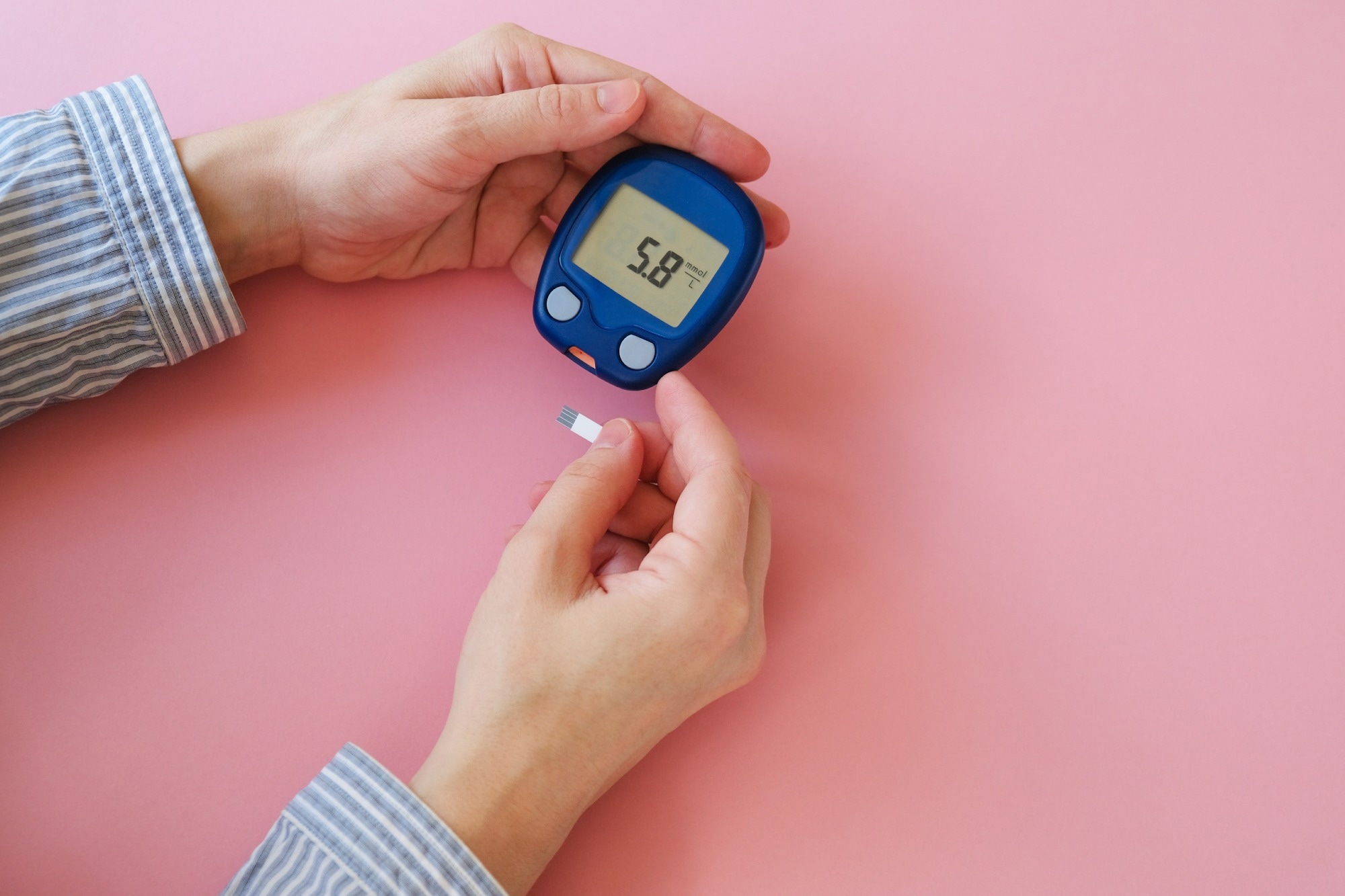
Real-world data from over 14,000 Italian adults reveal that GLP-1 receptor agonists can induce remission of type 2 diabetes, with one clinically balanced definition linking drug use to cardiovascular and microvascular risk reduction.
study: Remission of type 2 diabetes after initiation of GLP-1 receptor agonists: frequency, characteristics, and outcomes using multiple definitions in observational studies. Image credit: Meteoritka / Shutterstock
In a recent study published in Lancet Community Health – EuropeResearchers examined the clinical characteristics, frequency, and outcomes of type 2 diabetes (T2D) remission after treatment initiation. glucagon-like peptide-1 receptor agonist (GLP-1RA).
T2D is a metabolic disorder that can cause considerable burden without effective intervention due to macrovascular and microvascular complications. The prevalence of T2D has reached pandemic levels and is predicted to continue to increase.
T2D remission has emerged as a realistic goal, especially for interventions that lead to significant weight loss. GLP-1RA is effective in reducing blood sugar, cardiovascular and kidney risks, and weight.
The potential for T2D remission by GLP-1RA has attracted attention, especially after the development of dual incretin receptor agonists. Despite the increasing clinical use of GLP-1RAs, evidence regarding the clinical correlates and frequency of T2D remission is limited.
Research design and data sources
In this Italian multicenter study, researchers analyzed clinical characteristics, remission frequency, and outcomes using different definitions of T2D remission after GLP-1RA initiation. The GLP-1RA for Simplification in Diabetes (GLIMPLES) study collected retrospective electronic medical record data of T2D patients who started GLP-1RA between January 2010 and January 2022. The index date corresponded to the first GLP-1RA prescription. Remission was assessed post-ictal according to four definitions.
Definition of diabetes remission
-
R1: HbA1c <6.5% without taking hypoglycemic drugs for more than 3 months.
-
R2: Same as R1, but allows continued use of GLP-1RA.
-
R3: Same as R1, but without new hypoglycemic drugs compared to baseline.
-
R4: Same as R1, regardless of ongoing drug therapy.
Participants were classified as being in remission or not based on these definitions. The primary objective was to assess remission frequency, and secondary objectives included evaluating clinical predictors and comparing intermediate outcomes and complications between groups.
Clinical measurements and statistical analysis
Intermediate endpoints included blood pressure, body weight, HbA1c, urinary albumin-to-creatinine ratio (UACR), and estimated glomerular filtration rate (eGFR). Complications evaluated included microangiopathy, macroangiopathy, and cardiovascular events. Chi-square and Student's t tests were used for baseline comparisons. Logistic regression examined the association between GLP-1RA type and remission, while Cox proportional hazards models compared time-to-event outcomes.
Participant profile and GLP-1RA distribution
A total of 14,141 T2D patients who started GLP-1RA therapy were included in the analysis. The average participant was 60 years old, had a 10-year history of diabetes, had a BMI of 32 kg/m2, and a baseline HbA1c of 8.1%. Common baseline treatments included metformin, insulin, and sulfonylureas. The GLP-1RAs used were dulaglutide (50.5%), liraglutide (24.9%), Semaglutide (12.1%), exenatide (11%), and lixisenatide (1.4%). Almost 25% of participants switched to GLP-1RA during follow-up.
Frequency and duration of remission
The average follow-up period was 4 years. Remission occurred in 5.8% (R1), 6.2% (R2), 12.2% (R3), and 18.3% (R4) of participants. Time to remission averaged 6 months across definitions. Remission lasted longer in R3 (9.3 months) and R4 (10.1 months) than in R1 (6.5 months) and R2 (6.6 months).
Weight Loss and Drug Association
Average weight loss varies by GLP-1RA: semaglutide (3.9 kg), exenatide (3.3 kg), dulaglutide (3.1 kg), liraglutide (3 kg), and lixisenatide (2.8 kg). No single GLP-1RA was consistently superior in achieving remission, but dulaglutide was positively correlated with R1-R3 and semaglutide was negatively correlated with R1-R2. These differences were not interpreted as evidence of comparison. efficacy This is due to differences in treatment switching and available duration.
Predictors of type 2 diabetes remission
Remission was more likely in patients with shorter diabetes duration, higher BMI, fewer comorbidities, and less baseline insulin/SGLT2 inhibitor use. Individuals who achieved remission showed modest but significant improvements in body weight (-2 kg), HbA1c (-0.9 to -1.0%), blood pressure (-1 to -2 mmHg), and triglycerides (-15 mg/dL) across remission definitions.
Renal and cardiovascular outcomes
Changes in eGFR were similar across definitions, but R3 was associated with slower progression of UACR (approximately 30% reduction). New-onset microangiopathy was 12-16% lower in R1-R3 participants, suggesting a potential metabolic memory effect. Additionally, R3 was associated with fewer cardiovascular events (HR 0.65), but remission was not associated with differences in macroangiopathy.
Meaning and prognostic value of R3 definition
T2D remission occurred in a significant proportion of GLP-1RA users, but outcomes vary by definition. The R1 definition showed a remission of 5.8%, whereas the acceptance criteria (R4) reached 18.3%. Among the definitions, R3 represented the most balanced measure, with moderate prevalence (12.2%), longer duration (9.3 months), and improved microvascular and cardiovascular outcomes.
Limitations and interpretation of the study
Limitations include the retrospective design, lack of mortality data, lack of event adjudication, potential attrition bias, and non-protocol medication discontinuation. These factors may influence the observed remission rates and outcomes.
Reference magazines:
- Fadini GP, Jaccari A, Broglio F, et al. (2025). Remission of type 2 diabetes after initiation of GLP-1 receptor agonists: frequency, characteristics, and outcomes using multiple definitions in observational studies. Lancet Community Health – Europe59, 101499. DOI: 10.1016/j.lanepe.2025.101499
|
Sources 2/ https://www.news-medical.net/news/20251029/Diabetes-remission-possible-with-GLP-1-drugs-Italian-study-confirms.aspx The mention sources can contact us to remove/changing this article |
What Are The Main Benefits Of Comparing Car Insurance Quotes Online
LOS ANGELES, CA / ACCESSWIRE / June 24, 2020, / Compare-autoinsurance.Org has launched a new blog post that presents the main benefits of comparing multiple car insurance quotes. For more info and free online quotes, please visit https://compare-autoinsurance.Org/the-advantages-of-comparing-prices-with-car-insurance-quotes-online/ The modern society has numerous technological advantages. One important advantage is the speed at which information is sent and received. With the help of the internet, the shopping habits of many persons have drastically changed. The car insurance industry hasn't remained untouched by these changes. On the internet, drivers can compare insurance prices and find out which sellers have the best offers. View photos The advantages of comparing online car insurance quotes are the following: Online quotes can be obtained from anywhere and at any time. Unlike physical insurance agencies, websites don't have a specific schedule and they are available at any time. Drivers that have busy working schedules, can compare quotes from anywhere and at any time, even at midnight. Multiple choices. Almost all insurance providers, no matter if they are well-known brands or just local insurers, have an online presence. Online quotes will allow policyholders the chance to discover multiple insurance companies and check their prices. Drivers are no longer required to get quotes from just a few known insurance companies. Also, local and regional insurers can provide lower insurance rates for the same services. Accurate insurance estimates. Online quotes can only be accurate if the customers provide accurate and real info about their car models and driving history. Lying about past driving incidents can make the price estimates to be lower, but when dealing with an insurance company lying to them is useless. Usually, insurance companies will do research about a potential customer before granting him coverage. Online quotes can be sorted easily. Although drivers are recommended to not choose a policy just based on its price, drivers can easily sort quotes by insurance price. Using brokerage websites will allow drivers to get quotes from multiple insurers, thus making the comparison faster and easier. For additional info, money-saving tips, and free car insurance quotes, visit https://compare-autoinsurance.Org/ Compare-autoinsurance.Org is an online provider of life, home, health, and auto insurance quotes. This website is unique because it does not simply stick to one kind of insurance provider, but brings the clients the best deals from many different online insurance carriers. In this way, clients have access to offers from multiple carriers all in one place: this website. On this site, customers have access to quotes for insurance plans from various agencies, such as local or nationwide agencies, brand names insurance companies, etc. "Online quotes can easily help drivers obtain better car insurance deals. All they have to do is to complete an online form with accurate and real info, then compare prices", said Russell Rabichev, Marketing Director of Internet Marketing Company. CONTACT: Company Name: Internet Marketing CompanyPerson for contact Name: Gurgu CPhone Number: (818) 359-3898Email: [email protected]: https://compare-autoinsurance.Org/ SOURCE: Compare-autoinsurance.Org View source version on accesswire.Com:https://www.Accesswire.Com/595055/What-Are-The-Main-Benefits-Of-Comparing-Car-Insurance-Quotes-Online View photos

 |
 |
 |